
The Importance of E-commerce SEO in 2025
Why is e-commerce SEO critical?
By 2025, the e-commerce sector will continue to grow not only in the US but also globally. According to Statista data, the global online sales volume is approaching $7 trillion. In such a highly competitive market, product quality or price advantage alone is not enough. Customers begin their purchasing journey with Google searches, and online stores that do not appear on the first page miss out on 70% of their potential sales. This is precisely why e-commerce SEO has become a critical growth strategy for every online store.

SEO trends that will change in 2025
SEO isn’t a fixed list of methods; it’s a constantly evolving process driven by Google’s algorithm updates. Among the top trends for 2025:
- AI-powered search: AI-powered search systems like ChatGPT, Gemini, and Perplexity are changing the way users access information.
- Voice and visual search: Users are now discovering products through voice and visual-based searches, not just text.
- User experience (UX) signals: Google considers not only content but also metrics such as page speed, mobile-friendliness, security, and engagement time as ranking factors.
E-commerce sites that fail to adapt to these changes are doomed to fall behind their competitors.
What will you learn from this guide?
In this comprehensive guide, you’ll learn every building block of eCommerce SEO step by step — from keyword research and product page optimization to technical SEO and content marketing. You’ll also discover strategies aligned with 2025’s latest trends, ways to avoid common mistakes, and an actionable SEO plan designed for long-term success.
By the end, you’ll have a clear roadmap to get your online store ranking on the first page of Google, boost your conversion rates, and achieve sustainable growth.
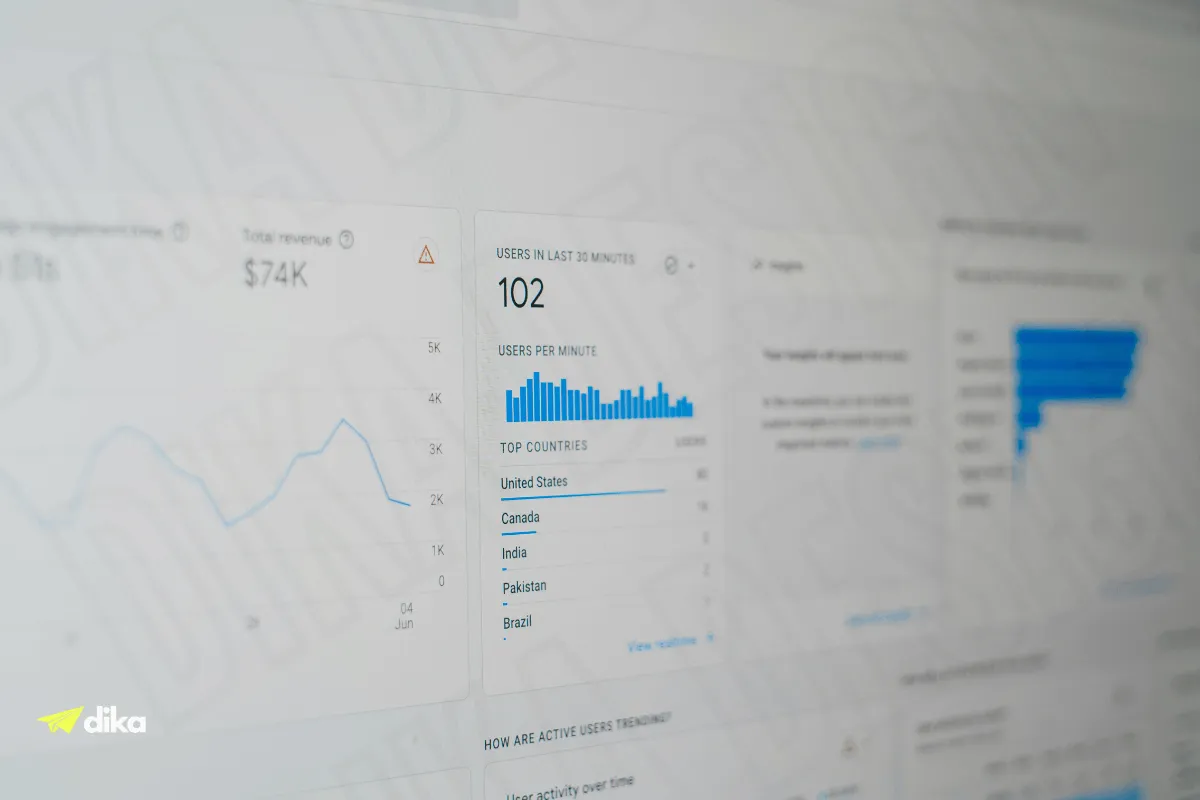
E-commerce SEO Strategy
For eCommerce websites, simply uploading products or running ads isn’t enough to secure top positions on Google. To achieve lasting success, the fundamentals of SEO must be set up correctly. In this section, we’ll cover keyword research and site structure optimization — the steps that will significantly improve your search engine visibility.
Keyword Research
Product-focused keywords
Ecommerce SEO success comes down to capturing purchase intent as accurately as possible. For example, “running shoes” is a very broad keyword, while “Nike Air Max 270 black men’s running shoes” directly reflects buying intent. These kinds of product-focused keywords increase conversion rates and drive organic sales without spending on ads.
Long-tail vs. short-tail words
- Short-tail keywords: Broad, high-volume, but highly competitive terms such as “Laptop,” “Sofa,” or “Women’s dress.”
- Long-tail keywords: More specific, lower-volume phrases with higher conversion potential, such as “ergonomic office chair prices for home office.”
By 2025, 80% of ecommerce sites are generating sales through long-tail keywords because users are now searching with increasingly specific queries.
Competitive Analysis
A critical part of keyword research is competitor analysis. Identifying which keywords your competitors are ranking for helps you uncover new opportunities. With tools like SEMrush, Ahrefs, or SimilarWeb, you can analyze your competitors’ performance and build your strategy by examining:
- Their top-performing product pages
- Category-level rankings
- Long-tail areas they are missing
Keyword tools (up to 2025)
Popular tools used for keyword research in 2025 include:
- Google Keyword Planner (specifically for measuring purchase intent)
- Ahrefs 2.0 (for competitors’ backlink and keyword analysis)
- SEMrush NextGen (for market analysis and content recommendations)
- Keyword Insights (for creating AI-powered content clusters)
Research with the right tools fuels not only SEO success but also your content strategy.

Site Structure and Navigation
The SEO success of an e-commerce site is not solely dependent on content. Site structure and navigation both facilitate Google bots crawling your pages and improve user experience. A well-designed site architecture directly increases conversion rates.
SEO-Friendly Category Structure
One of the most common mistakes in ecommerce is adding categories without a clear plan. This not only frustrates users but also sends confusing signals to Google.
- Categories should reflect the main product groups.
- Subcategories should represent the specific product variations.
For example:
- Electronics → Laptops → Gaming Laptops
- Fashion → Women’s Clothing → Evening Dresses
This hierarchy makes it easier for visitors to find products and helps search engines index your site more effectively.
Breadcrumb navigation
The breadcrumb menu is essential for both user experience and SEO. Google can display the breadcrumb structure in rich results (rich snippets). This increases your click-through rate (CTR) and helps visitors easily see which page they’re on.
For example:
Home > Electronics > Laptops > Gaming Laptops
This structure makes navigation easier, especially for mobile users.
Internal linking strategy
Internal linking regulates the authority distribution of your site.
- From category pages to related products,
- From blog posts to product/category pages,
- Linking from popular products to complementary products shows Google which pages are important.
It also increases the time visitors stay on the site, which is a critical signal for SEO.
URL structure optimization
Your URLs should be short, descriptive, and keyword-focused.
For example:
❌ www.sitename.com/product?id=12345
✅ www.sitename.com/mens-running-shoes/nike-air-max-270
Well-structured URLs:
- Are easier for Google to read
- Build trust with users
- Increase click-through rates on social media shares
Product Page SEO Optimization

Product Titles (Title Tags)
Product titles are among the most critical SEO elements that directly impact both Google rankings and users’ click decisions. A well-crafted title tag can increase organic traffic by up to 30%.
Effective title writing formula
To write a successful product title, you can follow this formula:
Brand + Product Type + Key Feature + Keyword
For example:
✅ “Nike Air Max 270 Men’s Running Shoes – Black | Free Shipping”
This format keeps keyword density natural while instantly giving users the essential product information.
Brand + product + feature combination
Google recognizes brand awareness as a strong signal in user searches. That’s why your product title should always include the brand name. After that, add defining product attributes such as color, size, model, or use case.
- “Samsung Galaxy S24 Ultra 512GB Smartphone – Titan Gray”
- “Zara Women’s Black Midi Dress – Summer Collection 2025”
This combination is effective not only in terms of SEO but also in terms of conversion optimization because the user sees exactly the product they are looking for.
Title length optimization
Google typically truncates title tags to between 55–60 characters. Very long titles are cut off in SERPs and negatively impact user experience.
- ✅ Aim for 55–60 characters.
- ✅ Place the keyword near the beginning.
- ✅ Avoid unnecessary words (such as “super” or “very nice”).
Additionally, as of 2025, Google can perform dynamic rewriting in titles. Therefore, using original, user-intent-driven, and specific titles will help you get more clicks in search results.

Ürün Açıklamaları
Product descriptions are one of the most overlooked yet critical elements of e-commerce SEO. Google prioritizes those that produce original and user-focused content among hundreds of sites selling the same product. Therefore, product descriptions should not only provide technical information but also serve as persuasive sales copy.
SEO dostu ürün tanımları
- Write a unique description for each product. Copied manufacturer text leads to duplicate content issues.
- Use keywords in a natural flow. Keyword density should be between 2-3%.
- Focus on features that support users’ purchasing decisions: material quality, ease of use, warranty period, customer experience.
Example:
❌ “This shoe is very high quality.”
✅ “The Nike Air Max 270 offers comfort on long walks thanks to its flexible sole and breathable mesh structure. Its special design for the 2025 collection adds a modern look to your athletic outfits.”
Solving the Duplicate Content Problem
One of the most common mistakes in ecommerce is copying manufacturer descriptions or reusing the same text when selling a product in different colors. To avoid this:
- Write customized descriptions for each color, size, or model variation.
- Add a minimum of 150–200 words of unique content to every product page.
- When possible, integrate phrases from customer reviews into your descriptions (this adds originality).
User-Focused Content Writing
SEO should be written not only for algorithms but also for users.
- Answer the question: “What problem does this product solve?”
- List the benefits in bullet points (e.g., durability, energy efficiency, easy installation).
- Highlight trust factors: free returns, warranty, customer support.
Structured Data for Rich Snippets
In 2025, adding schema markup (Product, Review, Offer) to product descriptions is no longer optional — it’s essential. Google can display your product page in rich results with star ratings, price, and stock availability. This significantly increases your CTR.
Example snippet:
⭐ 4.8 (1,254 reviews) | $129.99 | In Stock
In short, well-optimized product descriptions not only improve your Google rankings but also boost your sales conversion rate.
Product Image SEO
Images on e-commerce sites play a critical role not only in product promotion but also in SEO and user experience. As of 2025, Google has begun to prioritize image searches much more. Therefore, image optimization is essential for increasing organic traffic and boosting sales.
Alt text optimization
Alt text (alternative text) helps Google understand your images. Well-written alt text brings organic traffic from image searches.
- Include the keyword naturally.
- Clearly describe the product.
- Avoid unnecessary wordiness.
Example:
❌ “Shoes, sneakers, Nike, sale”
✅ “Nike Air Max 270 black men’s sneakers – 2025 collection”
Image file naming
Most e-commerce sites upload product images with random filenames like “IMG1234.jpg”. However, filenames also play an important role in SEO.
- Do not use special characters or spaces.
- Separate words with hyphens (-).
- Include the main keyword.
Example:
✅ nike-air-max-270-mens-running-shoes-black.jpg
Image compression and speed
One of the most important factors in Google’s Core Web Vitals criteria is page speed. Large image files slow down your website and negatively affect your rankings.
- Prefer WebP or AVIF formats.
- Use tools like TinyPNG or Squoosh to compress your images.
- Use lazy loading to load only the images visible on the screen.
Schema markup integration
Tagging product images with structured data (schema) helps you stand out more in Google Images. For example, with the “Product” schema, your image, price, and stock information can appear directly in search results.
This way, users can quickly see not only the product but also its price and stock status. This increases both click-through and purchase rates.
Category Page Optimization
Category Content
Category pages are often overlooked in e-commerce SEO. However, Google understands product variety and site hierarchy primarily through these pages.
- SEO-friendly category descriptions: Add short, informative, and keyword-focused descriptions.
- Filtering and sorting SEO: Make sure parameters like “filter by color” or “sort by price” work with search engine-friendly URLs.
- Pagination optimization: Use “rel=next/prev” tags or a “load more” system. This helps Google index each product page correctly.
Creating Hub Pages
Hub pages are strategic pieces of content that make category pages stronger.
- Theme-focused content pages: For example, a guide like “Best Gaming Laptops 2025” strengthens the laptop category.
- Guides and how-to content: Provide value to users and add authority to the category.
- Strengthening internal linking: Enhance SEO signals through a flow of Blog → Category → Product.
Technical SEO Requirements
Website Speed Optimization
Site speed carries the most weight in Google’s Core Web Vitals criteria. Slow sites fall behind in rankings and lose conversions.
- LCP (Largest Contentful Paint) should be under 2.5 seconds.
- Compress images using WebP / AVIF.
- Minify your CSS and JS files.
Use a CDN and apply lazy loading.
Mobile SEO
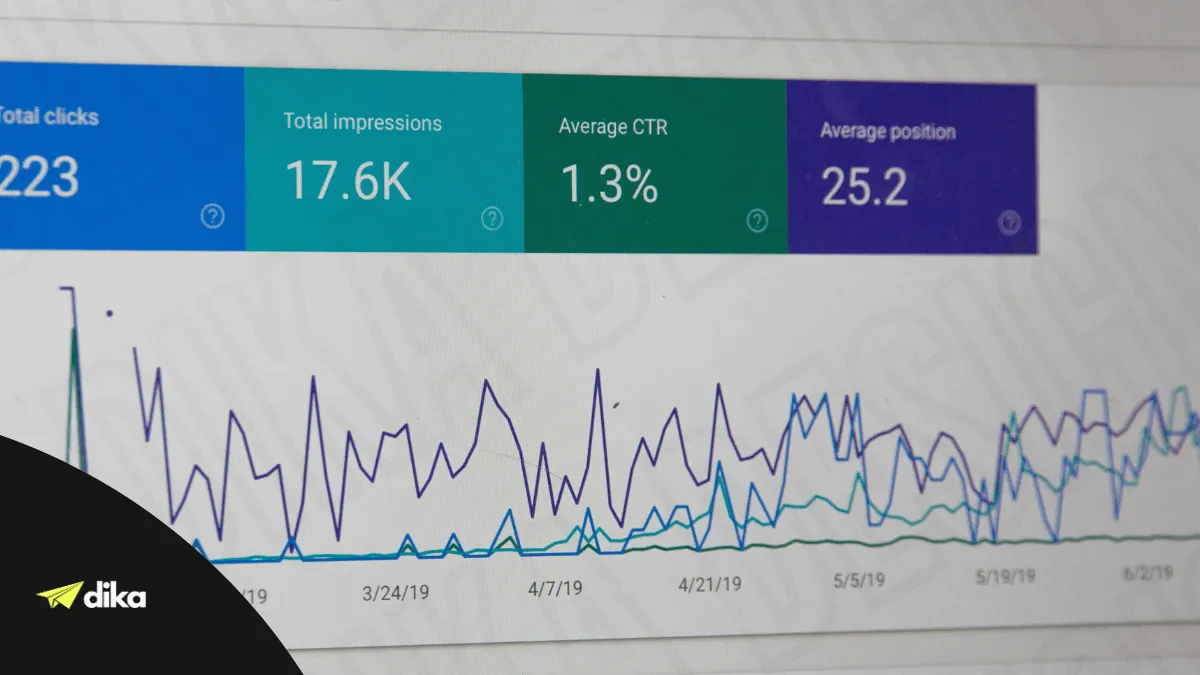
Google Search Console – E-commerce SEO Keyword Tracking
- Responsive design is essential.
- AMP still provides an advantage in some industries.
- Use touch-friendly buttons and easily readable text.
- Also pay attention to mobile speed optimization.
Security and HTTPS
Security in e-commerce has become part of SEO.
- Sites without an SSL certificate will fall behind in rankings.
- Use “https + trust badge” on payment pages.
- Add customer reviews and trust signals.

E-commerce Content Marketing
E-commerce SEO is not limited to technical optimizations alone. For lasting success in Google SEO, it is necessary to build brand awareness through content marketing, instill trust in potential customers, and produce content that supports Google Shopping and Google Merchant integration.
Blog Content Strategy
A blog is like the organic traffic engine of an e-commerce site. With the right content, you can rank higher on Google and send strong link signals to both your products and category pages.
- Product guides and comparisons: For example, content like “Best Gaming Laptops of 2025” or “Top Trending Sneakers on Google Shopping” drives both traffic and sales.
- How-to content: Guides like “How to Optimize Your Google Merchant Account” or “Ways to Rank Higher on Google with E-commerce SEO” have high search volume and build an expert image.
- Trend analyses: Cover topics like Google SEO updates, AI-powered search, and changing user behaviors to strengthen your authority.
The right blog content also helps your Google Merchant product feeds stand out more easily, as Google values both technical compliance and content authority.
Video Content SEO
Video content is one of the most powerful tools for e-commerce SEO in 2025. Google can now display integrated results with Google Merchant products even in video searches.
- Product demo videos: By optimizing for YouTube SEO, you can make your products appear in Google’s “video results.”
- Unboxing and review videos: Increase user trust and boost CTR in Google Shopping results.
- YouTube SEO strategies: Include target keywords like “ecommerce SEO,” “Google Shopping,” and “Google SEO” in your titles, descriptions, and tags.
Video content provides extra power in terms of Google SEO when integrated with blog posts.
Local E-commerce SEO
While online sales are growing rapidly globally, 46% of users still use “nearby” or “city name” in their searches for shopping intent. This makes local e-commerce SEO strategies especially critical for online retailers with physical stores. Furthermore, Google personalizes Google Merchant and Google Shopping results based on local data.
Google Business Profile
A Google Business Profile (formerly known as Google My Business) is the most powerful weapon in local SEO. If your e-commerce site isn’t just online but also has a physical storefront, a Google Business listing is a must.
- Store information optimization: Use your business name, address, phone number (NAP information) consistently across all platforms.
- Customer review management: 5-star reviews boost your ranking in Google SEO. Gain credibility by responding regularly.
- Local keywords: Use regional phrases like “Istanbul e-commerce store” or “Ankara sneaker shop” in your content.
📌 Extra tip: When you link your Google Merchant feed with your Google Business Profile, your products become more visible in Google Shopping with a local label.
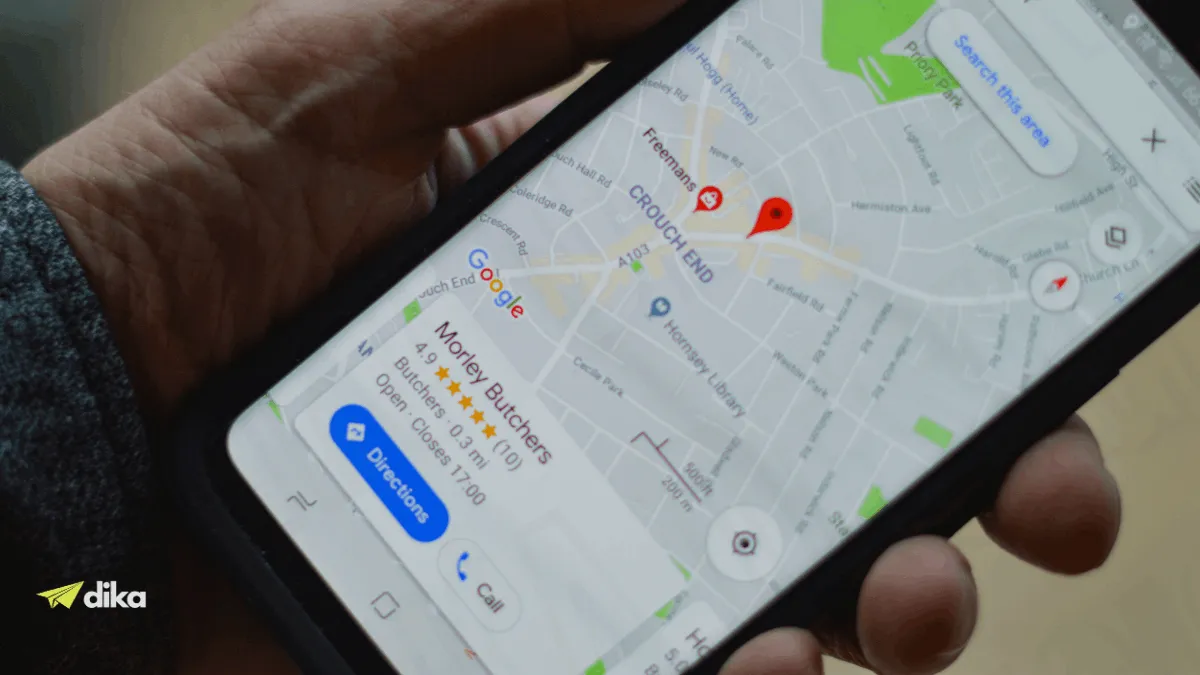
Multi-Location Stores
E-commerce brands with multiple branches need to create pages optimized for each specific location.
- Location pages: Create a separate URL for each store (e.g., /istanbul, /ankara). Enhance these pages with Google SEO-friendly descriptions, map embeds, and store photos.
- Local content strategies: Focus on city-specific topics in blog or guide articles. For example: “Same-day delivery after online orders in Izmir.”
- Google Merchant integration: Update your product feed with location-based inventory information. Google highlights the information “This product is available at X store” in Shopping results.
What makes local SEO powerful is not just visibility, but also trust signals. Users are much more likely to shop at a nearby store.
Analytics and Performance Tracking
The only way to know if your SEO efforts are working is through analytics tracking. By 2025, competition will be fiercer and Google algorithms will be smarter. That’s why it’s not enough to just create content or optimize your site; you need to regularly monitor your performance and make improvements.
Basic SEO Metrics
The most important metrics to track on an e-commerce site:
- Organic traffic analysis: Measure the number of organic visitors and which pages they came from using Google Analytics 4. You will see the direct impact of your Google SEO efforts.
- Conversion rates: What percentage of your visitors purchase products? The conversion rate of traffic coming from Google Shopping in particular indicates the success of your campaigns.
- Keyword ranking tracking: This is one of the most critical metrics for e-commerce SEO. Track your positions for your target keywords using Ahrefs, SEMrush, or Google Search Console.
- CTR optimization: Analyze the click-through rate of the products in your Google Merchant feed. High impressions but low CTR indicate a need for title or image optimization.
SEO Tools (Updated for 2025)
Up-to-date tools you can use to track SEO performance in 2025:
- Google Analytics 4 e-commerce tracking: Shows not only sales figures, but also product-based conversion paths. For example, you can track the flow “Google Shopping → product page → checkout.”
- Google Search Console optimization: Track which searches are driving traffic to your site, identify Google SEO errors, and monitor the indexing status of your product feed.
- Third-party tools:
- Ahrefs 2.0 → Competitor keyword analysis
- SEMrush NextGen → Identify content gaps
- Screaming Frog → Technical SEO scans
- DataFeedWatch → Google Merchant feed optimization
Analysis conducted with the right tools not only reveals the current situation, but also helps you predict which strategies will deliver greater returns in the future.
Get your free SEO analysis report now and take the first step towards getting your e-commerce site on the first page of Google.
Common Mistakes in E-commerce SEO
Many e-commerce sites fail to achieve results despite investing in Google SEO. This is usually due to technical or content-related errors. In this section, you will find the most common SEO mistakes made in 2025 and how to avoid them.
Duplicate content issues
The most common mistake is using identical product descriptions or manufacturer-provided duplicate content. Google pushes such repetitive content lower in rankings.
- Solution: Write unique descriptions for each product. Also, use original titles and descriptions in your Google Merchant feed.
- Example: If multiple sellers offer the same product in Google Shopping results, the seller with unique content appears higher.
Thin content pages
Pages with “thin content,” meaning product or category pages that only contain a few words of description, are considered worthless in terms of Google SEO.
- Solution: Detail the product descriptions to be 150+ words, add content that benefits the user.
- Extra tip: Adding frequently asked questions (FAQ) contributes to both SEO and conversion rates.
Poor URL structure
Many e-commerce sites still use complex URLs like “/product?id=12345”. This negatively affects both user experience and Google SEO.
- Solution: Create short, keyword-focused, and readable URLs.
- Example: /mens-running-shoes/nike-air-max-270-black
Forgotten technical SEO details
Most e-commerce sites neglect technical SEO when adding products. Yet small oversights lead to big losses.
- Missing schema markup → Your products appear with incomplete information on Google Shopping.
- Slow site speed → Users coming from your Google Merchant campaigns leave immediately.
- Mobile incompatibility → Lowers your ranking in e-commerce SEO.
Request a free SEO analysis to identify SEO errors that are not visible on your e-commerce site
SEO Trends for 2025
Google’s algorithms are evolving every year, but as of 2025, there are three main factors that will completely change e-commerce SEO: artificial intelligence, voice/visual search, and sustainability-focused content.
Artificial Intelligence and Machine Learning
By 2025, Google SEOwill no longer rely solely on keywords, but will work with AI-based models designed to understand user intent.
- ChatGPT, Gemini, and other AI assistants have become directly involved in users’ shopping journeys. To appear in the products these assistants recommend, you need to write your product descriptions in a more natural and information-focused manner.
- Voice search optimization: Searches using phrases like “best-priced coffee machine on Google Shopping” are rapidly increasing. Therefore, focus on long-tail and natural language expressions in your e-commerce SEO strategy.
- Visual search SEO: Users search for products through images using Google Lens and similar tools. At this point, integrating your product images with your Google Merchant feed provides a significant advantage.
📌 Tip: Optimizing your Google Merchant product feed for AI algorithms (unique descriptions, rich product information, schema markup) will make a difference in rankings in 2025.
Sustainability SEO
Google has noticed users’ interest in eco-friendly brands and has started including sustainability signals in its ranking factors.
- Eco-friendly e-commerce: Highlighting the environmental benefits of your products’ production processes creates added value in Google SEO.
- Sustainability-focused content: Addressing concepts such as “recyclable materials” and “eco-friendly packaging” in blog posts strengthens brand authority.
- Google Shopping labels: In 2025, Google will highlight eco-friendly products with an “Eco-friendly” label. Tagging your Google Merchant feed with these features will increase the visibility of your products.
Step-by-Step Implementation Plan
Having knowledge alone is not enough to succeed in SEO; a structured action plan is essential. In this section, we’ll outline your e-commerce SEO efforts as a 30-day, 2–6 month, and long-term strategy.
First 30 Days
The focus during this phase is to establish a solid foundation.
- Technical SEO check: Site speed, mobile responsiveness, SSL, and Google Merchant feed errors.
- Keyword research: Identify product- and category-based long-tail keywords focused on Google SEO.
- On-page optimizations: Product titles, descriptions, images, and URL structure.
- Google Shopping integration: Set up your Merchant Center account and upload your feed correctly.
👉 Result: Your site becomes ready for Google SEO, and your products start appearing in Google Shopping.
Months 2–6
In the mid-term, the goal is to increase authority and grow organic traffic.
- Content production plan: Create blog posts, product guides, and Google Shopping-focused comparison content.
- Link-building strategy: Get backlinks from trusted websites and publish content on industry blogs.
- Performance analysis and improvements: Use Google Analytics and Search Console to analyze which products drive the most traffic.
- Google Merchant feed optimization: Update missing product information and maintain accurate pricing and stock levels.
👉 Result: Your organic visibility increases through e-commerce SEO, and Google Shopping campaigns generate more conversions.
Long-Term Strategy
SEO is not a short-term process, but one that requires continuous improvement.
- Techniques for increasing authority: More user reviews, case studies, and content diversity.
- Creating a competitive advantage: Identify your competitors’ Google SEO weaknesses and turn them to your advantage.
- Continuous optimization: Adapt to algorithm updates, regularly update your Google Merchant feed.
👉 Result: You will gain lasting authority on Google in the long term, surpassing your competitors in both organic SEO and Google Shopping results.
Get your free SEO analysis report now and take the first step towards getting your e-commerce site on the first page of Google.
Conclusion and Recommendations
E-commerce SEO is no longer optional in 2025—it’s a necessity for every online store. As Google’s SEO algorithms become smarter, users increasingly discover products through Google Shopping, and Google Merchant integrations play a decisive role in rankings, businesses must take strategic steps to maintain a strong digital presence.
As we’ve seen in this guide:
- Without proper keyword research, you cannot achieve lasting success in Google SEO.
- Without optimized product pages, category content, and image optimization, your visibility on Google Shopping will remain limited.
- If you don’t regularly update your Google Merchant feed, your products may appear with incomplete or incorrect information, leading to sales losses.
Without content marketing and local SEO strategies, your brand’s authority signals will stay weak. - Your brand’s authority signals will remain weak without content marketing and local SEO strategies.
Key findings
- E-commerce SEO is a long-term investment, much more sustainable than short-term campaigns.
- Without Google Shopping and Merchant integration, your products cannot be as visible as your competitors’.
- Google SEO optimization encompasses not only technical aspects, but also content, trust, and user experience.
Immediately actionable steps
- Set up your Google Merchant account and optimize your product feed.
- Make your product descriptions unique and optimize your images for Google SEO.
- Support Google Shopping results with blog and video content.
- Monitor performance by conducting regular analysis (GA4, Search Console).
Recommendations going forward
- Incorporate artificial intelligence and voice search trends into your strategy now.
- Strengthen your brand image with sustainability-focused content.
- Don’t neglect local SEO; Google Business Profile and location pages will bring you extra traffic.
To make your e-commerce site stand out on Google, increase your Google Shopping sales, and grow with a professional SEO strategy, contact us today.
1. What is e-commerce SEO and why is it important?
E-commerce SEO includes optimization efforts that help online stores appear at the top of Google search results. A website that meets Google’s SEO criteria gains organic traffic and becomes more visible in Google Shopping results.