Start a project

Product engineering & managed technology A product engineering team that stays beyond launch.

Extend your organisation with product strategy, design and engineering capacity that can take ownership from discovery to production. Start with a defined initiative or build a long-term delivery partnership.

Enterprise delivery · Senior specialists · UK & Türkiye
Product engineering & managed technology by Dika Design
02 · When teams call us

Signs it is time to change the system.

A roadmap that never ships

Plans slip release after release and confidence fades.

The previous agency left

Code exists, but nobody knows how it works or how to change it.

Design and engineering out of sync

Handoffs lose detail, and what ships is not what was designed.

Technical debt slows every release

Small changes take weeks because the foundations fight back.

Nobody owns the product

Requests arrive from everywhere and priorities change weekly.

Launch was planned, life after it was not

The product goes live and development stops.

03 · Our approach

Product capability from first decision to ongoing operation

  1. Outcome-led roadmapPriorities are connected to user and business outcomes instead of becoming an unstructured feature list.
  2. One accountable teamProduct, design and engineering decisions are made together, reducing handoff loss and delivery ambiguity.
  3. Learning after launchAnalytics, support signals and operational feedback shape the next release and technical investment.
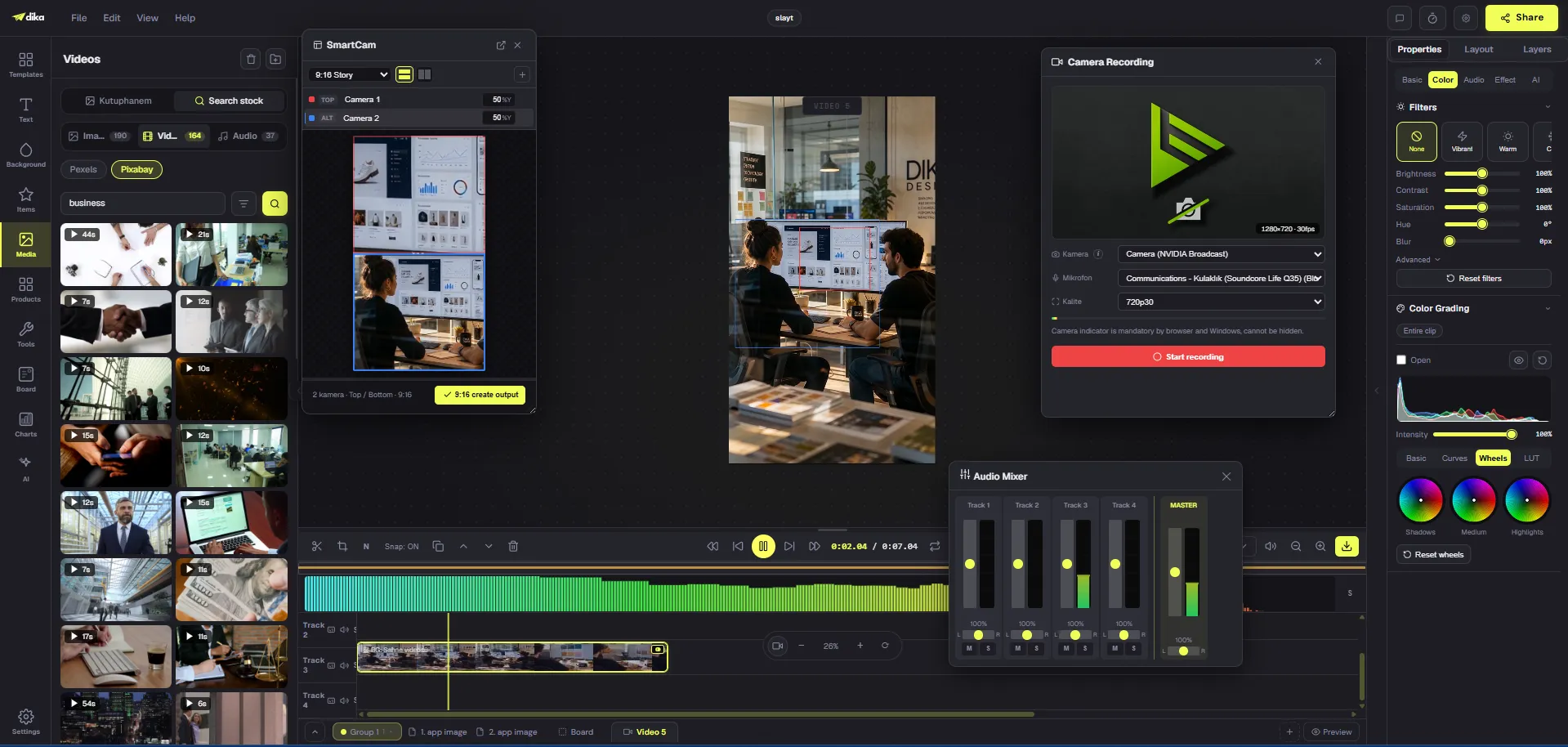
The Dika Studio video editor
A product we design, build and run · Dika Studio
04 · Capabilities

Sixteen capabilities. One accountable team.

Everything we design, build and run in Product engineering, delivered by the same senior team.

  • 01

    Product discovery

    Research and workshops that define the problem worth solving.

  • 02

    Product strategy and roadmap

    A focused plan that links releases to user and business outcomes.

  • 03

    UX and interface design

    Journeys, wireframes and interfaces tested with real users.

  • 04

    Rapid prototyping

    Clickable prototypes that validate ideas before engineering starts.

  • 05

    Technical architecture

    Foundations chosen for scale, security and future change.

  • 06

    Full-stack engineering

    Front end, back end and data built by one team.

  • 07

    API and integration design

    Clean interfaces for partners, mobile apps and other systems.

  • 08

    Quality assurance

    Automated and exploratory testing in every iteration.

  • 09

    Release engineering

    Pipelines, feature flags and safe, frequent releases.

  • 10

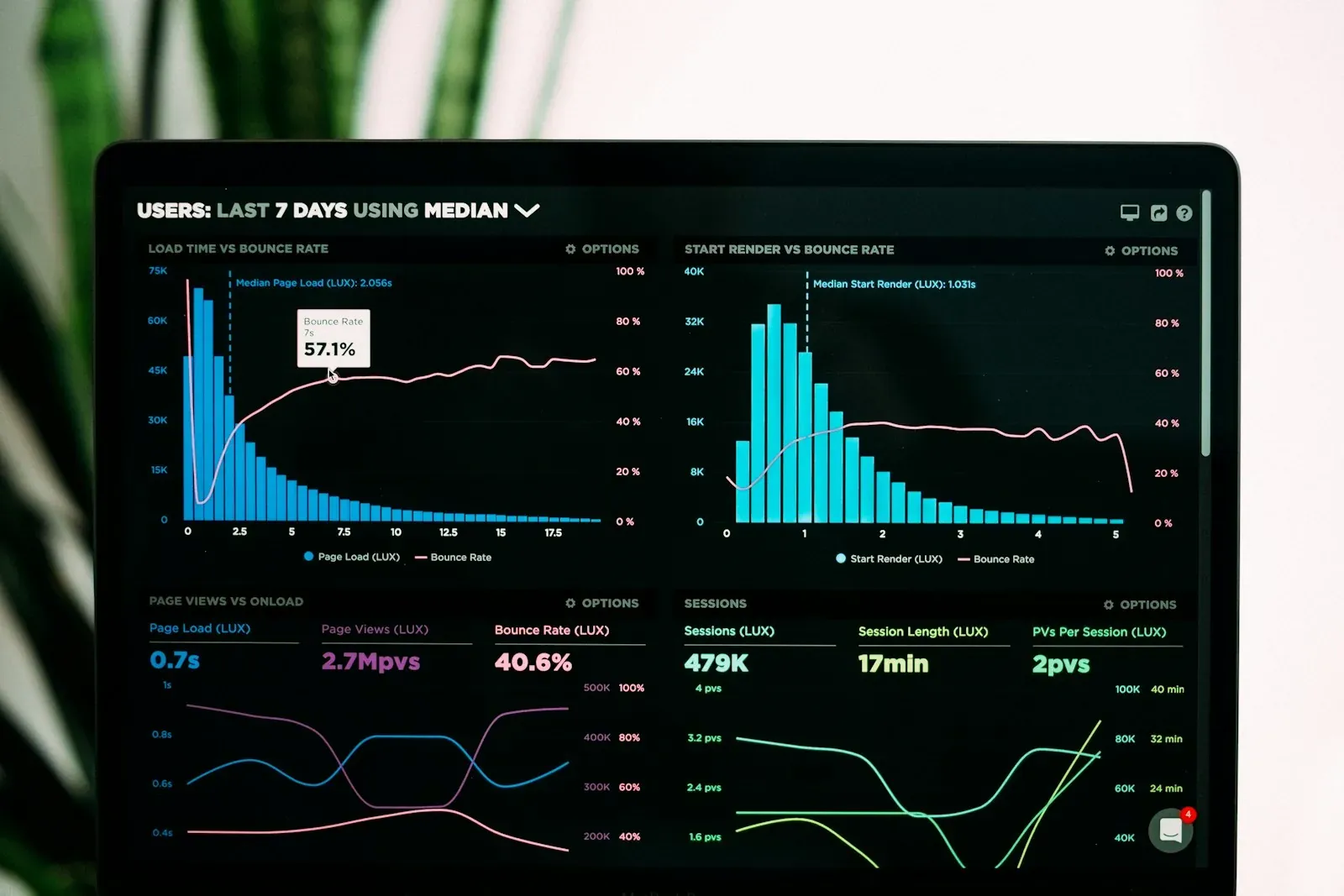
    Product analytics

    Measurement that shows how features are actually used.

  • 11

    Roadmap delivery

    Planned milestones delivered at an agreed, visible cadence.

  • 12

    Technical debt reduction

    Targeted refactoring that makes future work faster and safer.

  • 13

    Performance improvement

    Faster screens, queries and APIs where users feel the difference.

  • 14

    Managed product backlog

    A prioritised, groomed backlog shared with your stakeholders.

  • 15

    Documentation and handover

    Knowledge kept current so the product is never a black box.

  • 16

    Continuous delivery

    Small, regular releases instead of rare, risky ones.

05 · How an engagement runs

Five steps, visible at every stage.

  1. 01DiscoveryUsers, problem, constraints and the outcome that defines success.
  2. 02Roadmap and architectureA focused release plan and the technical foundations to support it.
  3. 03Design and prototypeJourneys and interfaces validated before they are built.
  4. 04Build, test, releaseIterations with automated tests and production releases.
  5. 05Measure and evolveAnalytics and feedback that shape the next release.
06 · What you receive

Deliverables you keep, not just a launch.

Every engagement ends with assets your organisation owns and can run without us.

Plan the first phase
  • Product brief and roadmap

    Goals, users, scope and the order in which value is delivered.

  • Design system and prototypes

    Reusable components and tested interface designs.

  • Production releases

    Working software released on an agreed cadence.

  • Test and release process

    Automated checks and a repeatable path to production.

  • Analytics setup

    Events and dashboards that show adoption and outcomes.

  • Living documentation

    Architecture, decisions and runbooks kept up to date.

07 · Who it is for

Built for organisations like yours.

Founders and new product teams

Teams turning an idea into a first product that customers use.

Companies without in-house engineering

Businesses that need a full product team without hiring one.

Teams with an inherited product

Organisations that took over code they need to stabilise and grow.

Scaling internal tools

Internal systems that now need product discipline and a roadmap.

Why discovery comes first

Most product waste comes from building the wrong thing well. A short discovery phase clarifies who the product is for, what problem it solves and how success will be measured, so engineering effort goes where it matters.

One team instead of handoffs

When product, design and engineering sit in separate teams, decisions are lost at every handoff. A single accountable team makes trade-offs together, keeps the design intent through implementation and owns the result.

What happens after launch

Launch is the start of learning. Analytics, support requests and user feedback show what to improve, and a managed backlog with regular releases keeps the product moving instead of freezing after go-live.

Taking over an existing product

We begin with a technical and product review, stabilise the riskiest areas, document how the system works and agree a realistic roadmap. Improvements then arrive in small releases, so the product keeps working while it gets better.


FAQ

Product engineering, answered.

Clear answers before discovery, scoping and delivery begin.

Ask a different question
Can you work as an extension of our internal team?

Yes. We can own a defined workstream or operate as a cross-functional product and engineering extension with agreed responsibilities.

Do you take products from idea to launch?

Yes. We can cover discovery, product definition, UX, architecture, engineering, QA, deployment and launch preparation.

Can you take over an existing product?

Yes. We begin with a technical and product review, stabilise critical areas, document the system and establish a practical roadmap.

How is work prioritised?

We use an agreed product backlog and delivery cadence, balancing user value, commercial goals, technical risk and operational needs.

Do you provide design as well as engineering?

Yes. Product strategy, UX and interface design can be delivered with engineering so decisions stay connected through implementation.

Can the product be deployed to our infrastructure?

Yes. Delivery can target customer-controlled cloud or server infrastructure where required.

What does managed technology include?

Depending on scope it can include monitoring, maintenance, issue response, release management, infrastructure work and continuous product development.

How do we work together day to day?

Through a shared backlog, a regular planning and review rhythm, and a named product lead on our side who is your main contact.

Can you start with a small engagement?

Yes. Discovery or a technical review is a common first step, and it gives both sides a clear view before a longer partnership.

Who owns the product and code?

Ownership and intellectual property are defined in the agreement. Client products are typically delivered with full source-code access and documentation.

Add product momentum without adding another disconnected supplier.

Bring us a product goal, delivery bottleneck or platform that needs ownership. We will define a working model that fits your team.

  • Product, design and engineering together
  • Defined delivery cadence and ownership
  • Long-term support available